
Thinking through what AI means for product design — by building.
Build
Why I build
I think the most important thing a design leader can do right now is stop advising and start building. Not prototypes. Working products. This page is where I do that.
01
Storyroom
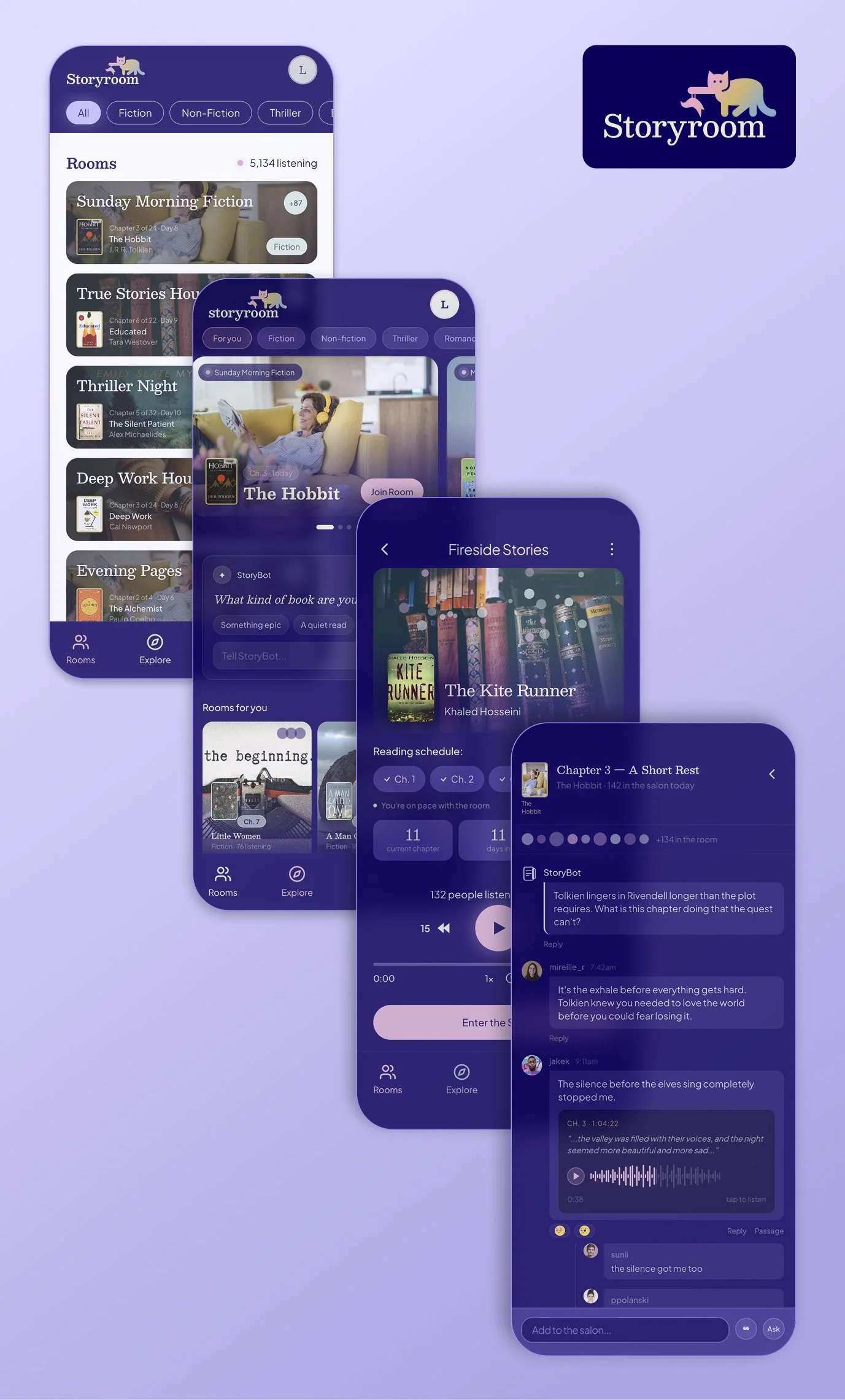
Reading alone is easy to abandon. Reading alongside other people — even strangers, even silently — makes you actually finish. Storyroom is an exploration of what a modern book club could feel like if it lived in your phone. Same book, same chapter, same day. A Salon where readers share passages clipped directly from the audio and an AI called StoryBot surfaces the context no one else could. The concept started with a real question: why does discovery through other readers feel so much more alive than any algorithm? Concept designed and vibe coded, an idea that doesn't exist anywhere else yet.
Figma Make, Claude Code, React Prototype
02
Prompt Annotations
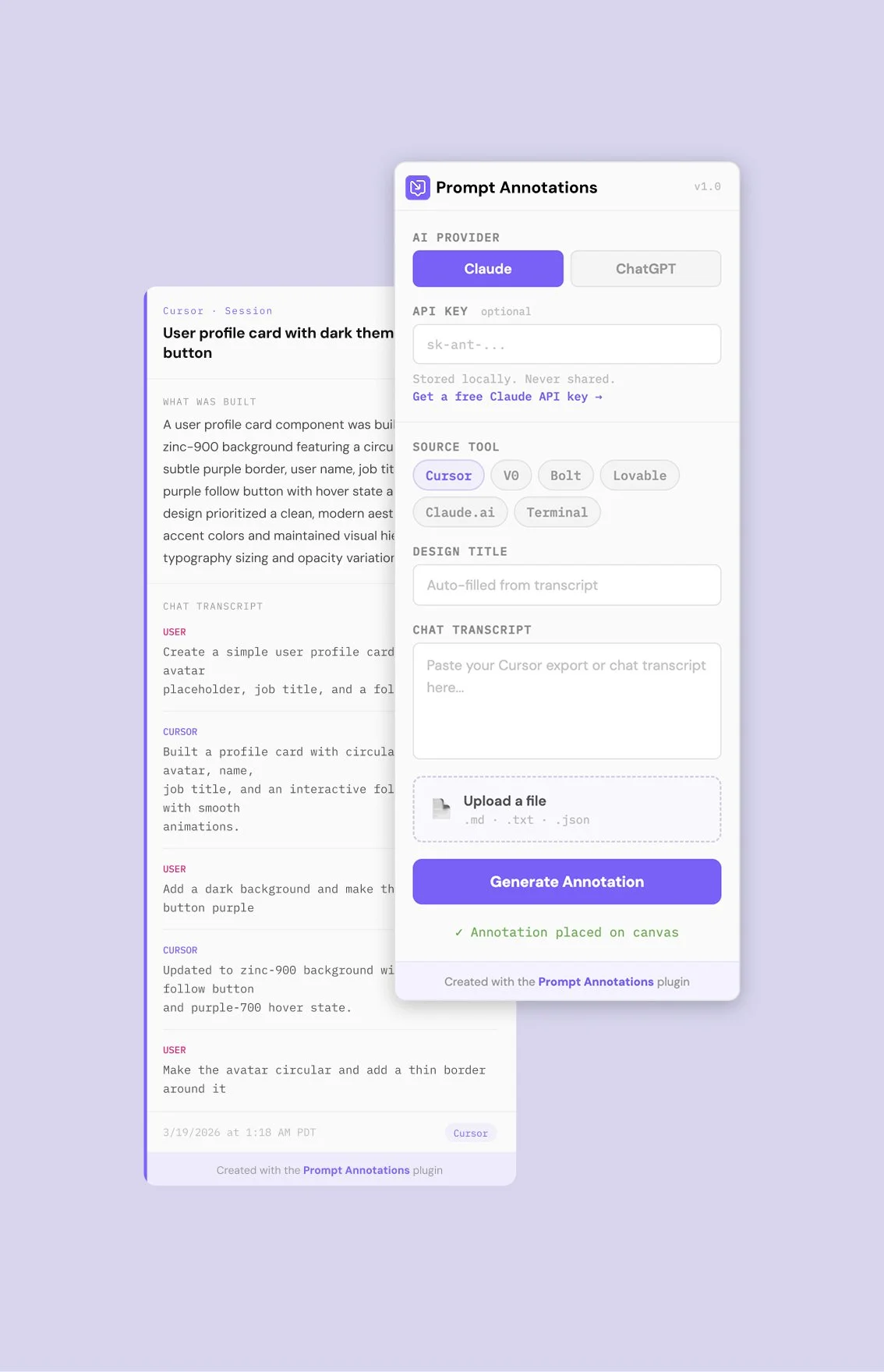
Prompt Annotations is a Figma plugin that captures your vibe coding chat transcript and places a structured annotation frame next to your design in the file. It keeps the prompts, AI summary, and full back and forth with your design so your whole team has the context behind the work.
Claude Code, Figma
03
Ship Yourself Cards
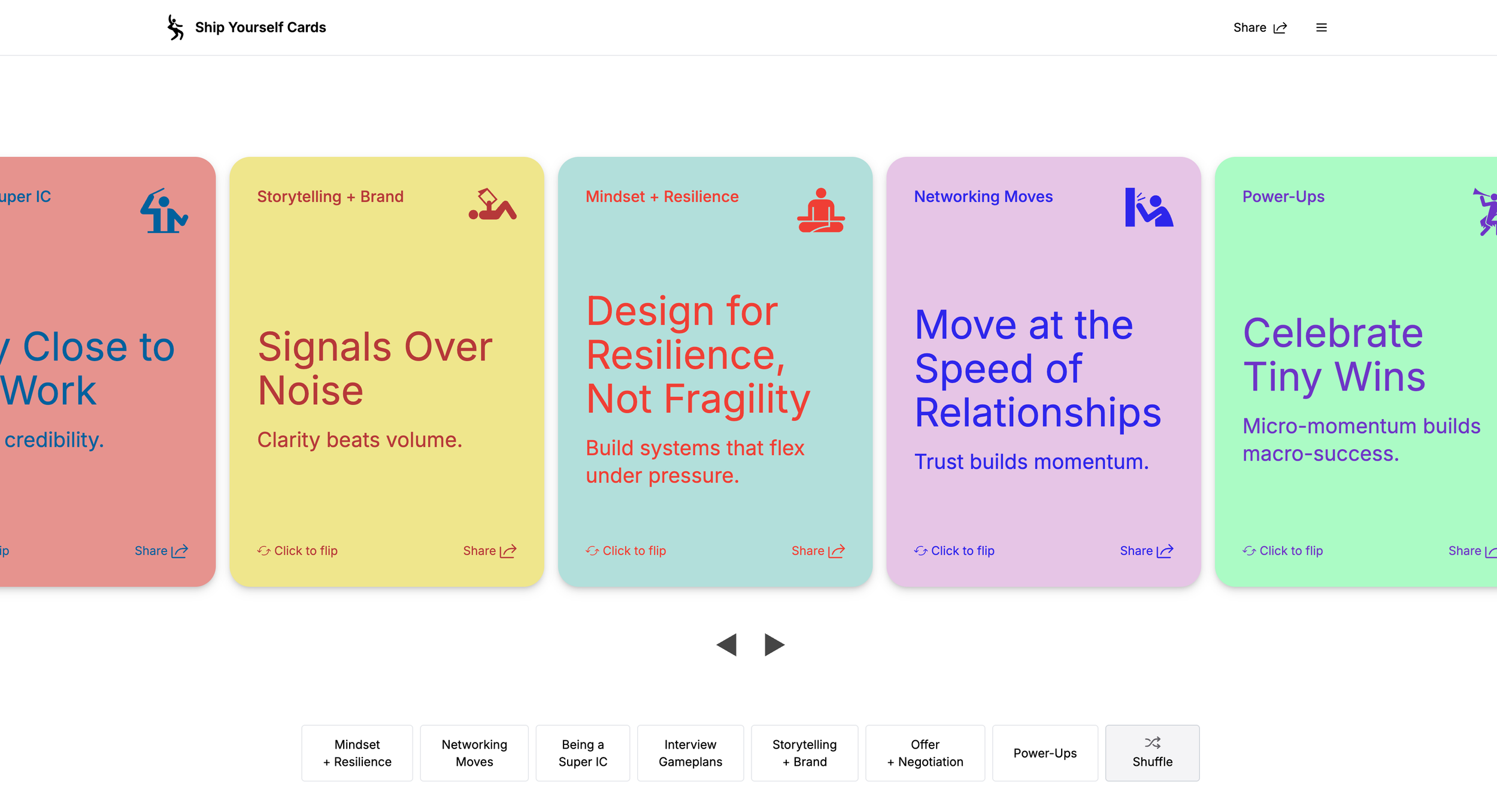
Ship Yourself Cards is a helpful card deck app researched, designed, and coded using AI tools to help designers of all levels build momentum, tell their story, and navigate career transitions with confidence.
V0.dev, Figma, Chatgpt
04
Dreaming in Design
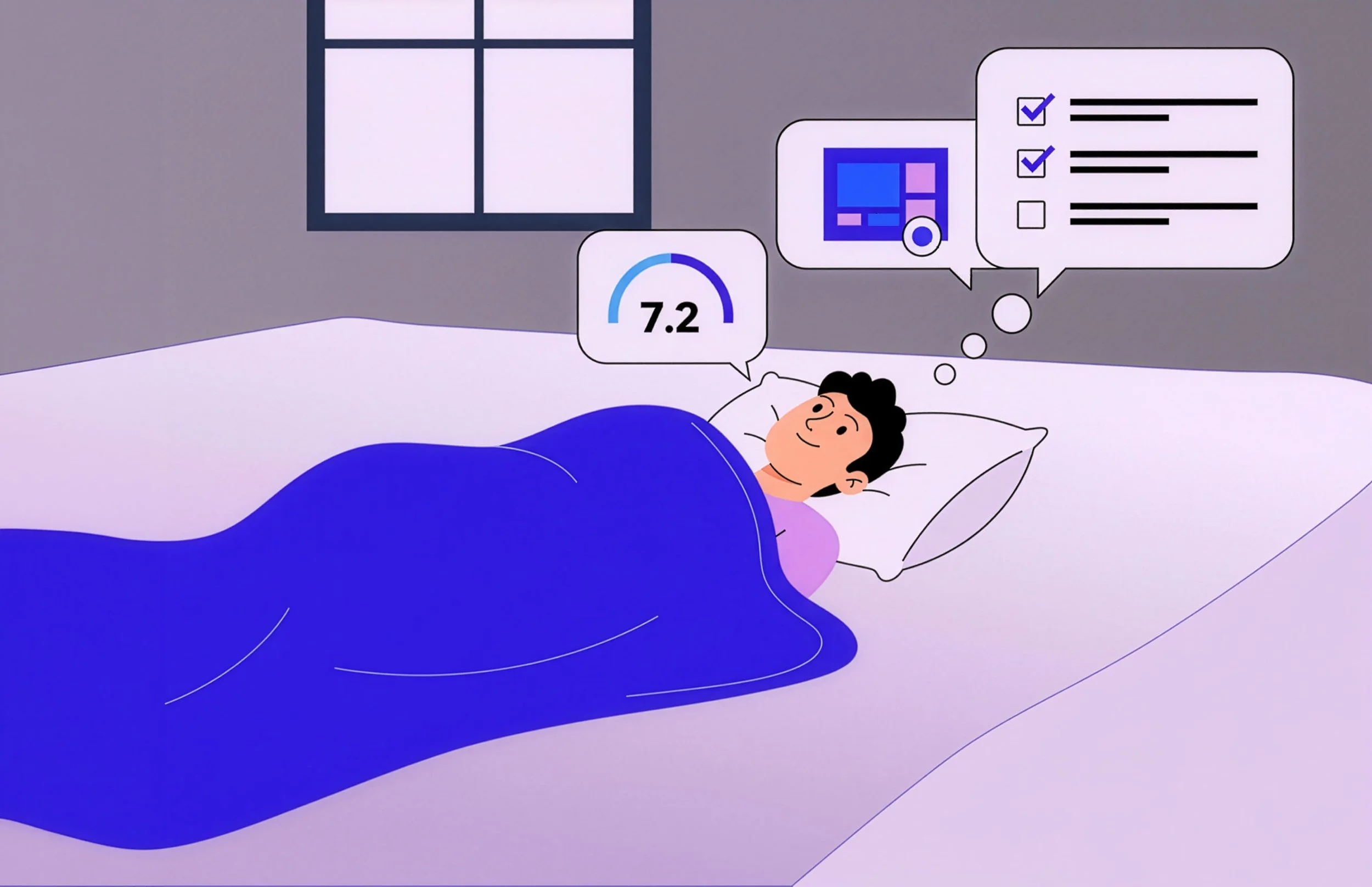
Dreaming in Design is an AI-powered portfolio reviewer trained on real hiring criteria. The tool I'm building will use AI because it's the only way to deliver personalized feedback at scale — specific to your role, level, and target companies.
Claude Code, Cursor
Currently in research phase
05
We Are the Ones
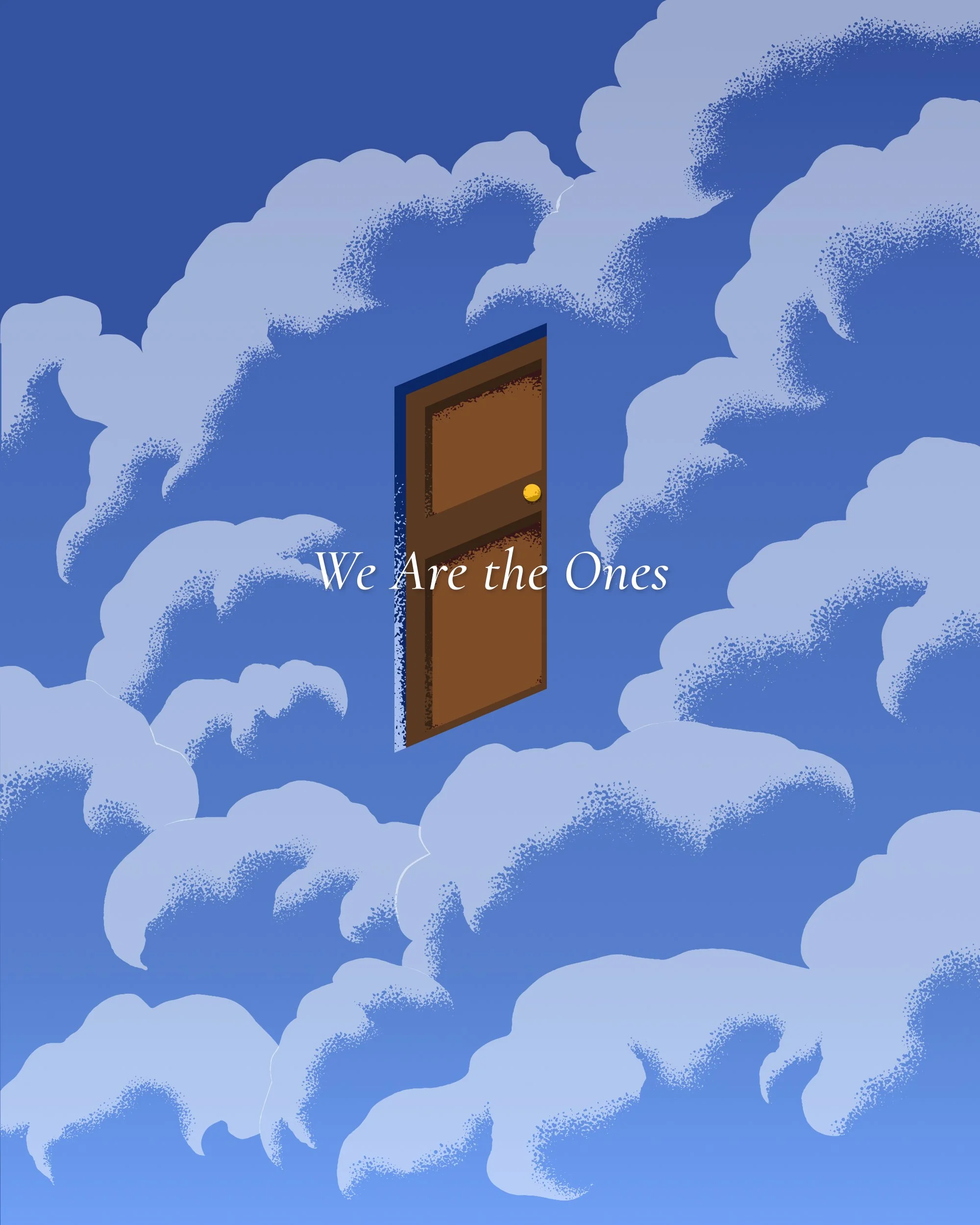
An interactive art experience built entirely through vibe coding — no design tools, no code written by hand. I wanted to understand what becomes possible when a designer works purely in language, and to feel what it's like to describe something into existence rather than draw it. A golden door opens onto an open sky. A Tolkien-inspired story scrolls with read-along narrator, the sky brightening from pre-dawn to full daylight as it plays. The entire experience lives in a single HTML file, 84 kilobytes, two minutes long. Built in a day.
Cursor, Claude Sonnet 4.6, ElevenLabs
How I Build

Start with the strategy
Before I open any tool, I spend time with LLMs like Claude and ChatGPT thinking through the problem, the user, and the product logic. This is where the strategy forms. I'm writing prompts, pressure-testing ideas, and getting to a clear point of view before a single pixel or line of code exists.

Design and prototype together
I move between Figma and AI tools like Figma Make to sketch the experience: flows, screens, and interactions. The prototypes I make at this stage are close enough to the real thing that they can be tested, shared, and iterated on without waiting for engineering.

Ship it with vibe coding
I use Claude Code, Cursor and V0.dev to generate and refine working code. I'm directing the build. I know what I want, I know when it's right, and I know how to get there fast. Ideas become deployed products without a traditional engineering handoff.