
Unlost in Translation

Across borders and eras, trust is what stays true.
In 2006, a Japanese industrial hardware company Yokogawa Electric put the problem to me directly:
"Our company is known at home for building hardware that lasts decades. American customers want the newest thing. How do we tell an authentic story that still meets people where they are in a new market?"
Underneath the question was something more specific than culture. It was trust, and what earns it looks different depending on where you're standing.
I spent the next ten years answering that for Yokogawa Electric. I created their global brand campaign, "Vigilance," designed their international site, and creative directed everything meant to carry that story into new markets. It worked. At US and EU trade shows, longtime competitors started asking who this company suddenly was. Some assumed Yokogawa made tires. Others said it outright: look how aggressively they're going after our market. Yokogawa's own reporting later credited the campaign with significantly improving overseas recognition and trust, and sales outside Japan grew from ¥116.4B to ¥228.9B in the years that followed.
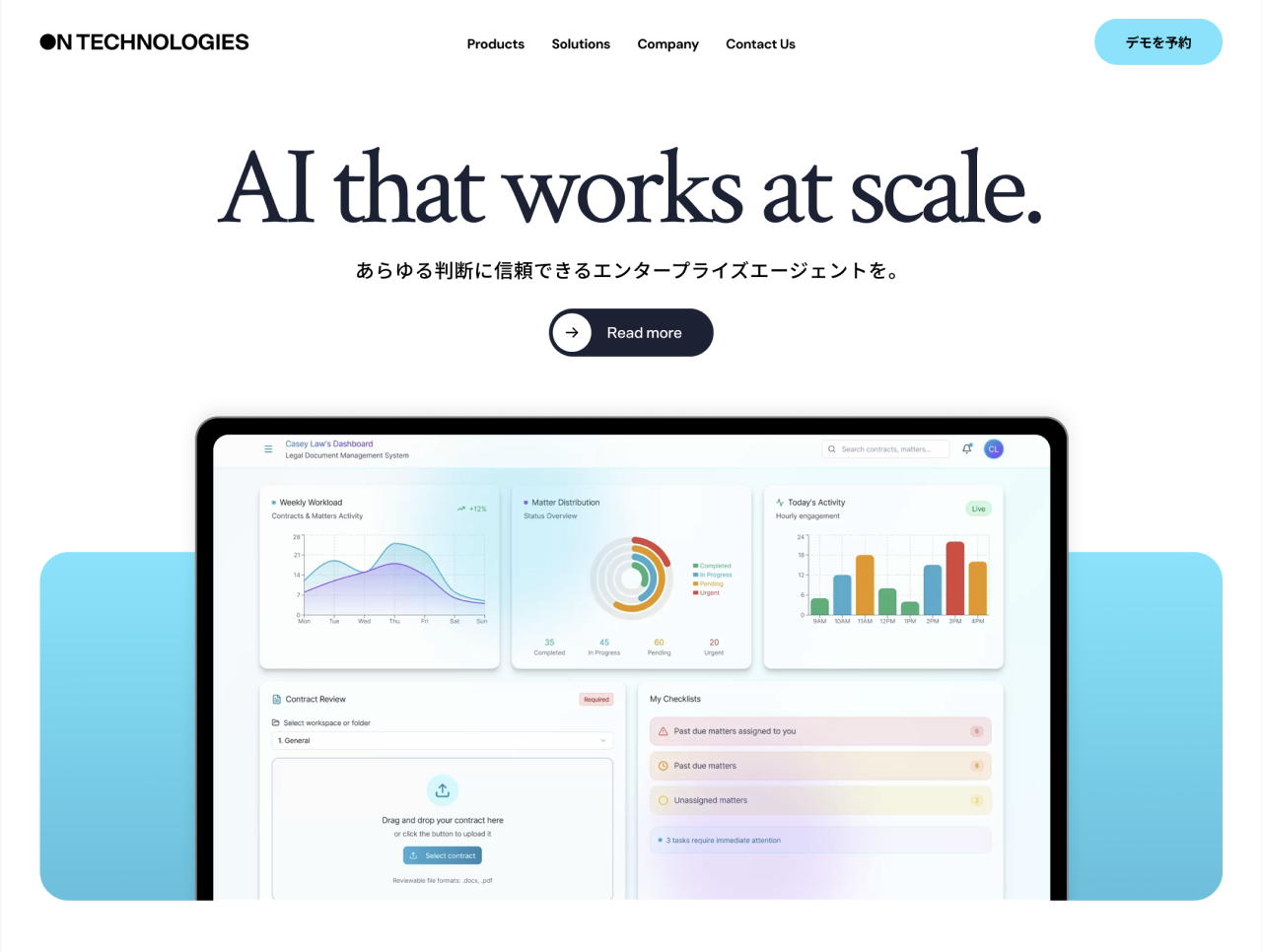
Twenty years later, a different company asked me almost the same question, in a harder version. LegalOn, a Japanese legal AI company, was expanding into the US and EU. Their customers at home trusted them. Would American and European customers trust an AI product, from a company they'd never heard of, in a category where trust is already the hardest thing to earn. I worked with their Japan and US teams to rebuild the brand platform, guidelines, and global site, moving them from what read as generic Japan tech into a company that looked like it belonged at the center of the AI conversation, not its edge, and advised on early product concept direction as they worked out what that trust would need to look like in the product itself.
Hardware trust asks: does this work. AI trust asks: does this deserve to work on my behalf. Different stakes, same question underneath.

Yokogawa
LegalOn
Product design is culturalization, not localization
Brand makes the promise. Product is where a company keeps it. Localization changes the words on a screen. Culturalization changes the assumptions underneath the design, it asks what this audience actually needs, not what the existing product looks like translated.
A few places I've had to make that call:
KDD, Japan. A travel and wifi app for international travelers wasn't a language problem, it was a trust and clarity problem. Someone jet-lagged in an unfamiliar country needed to know instantly whether they had a connection, not navigate a settings menu built for people who already understood the product.
Adobe XD, Modular Suite. Asian design teams weren't using XD differently because of language, they were collaborating differently, tighter feedback loops, different review structures. The plugin suite had to be researched and built around how those teams actually worked together.
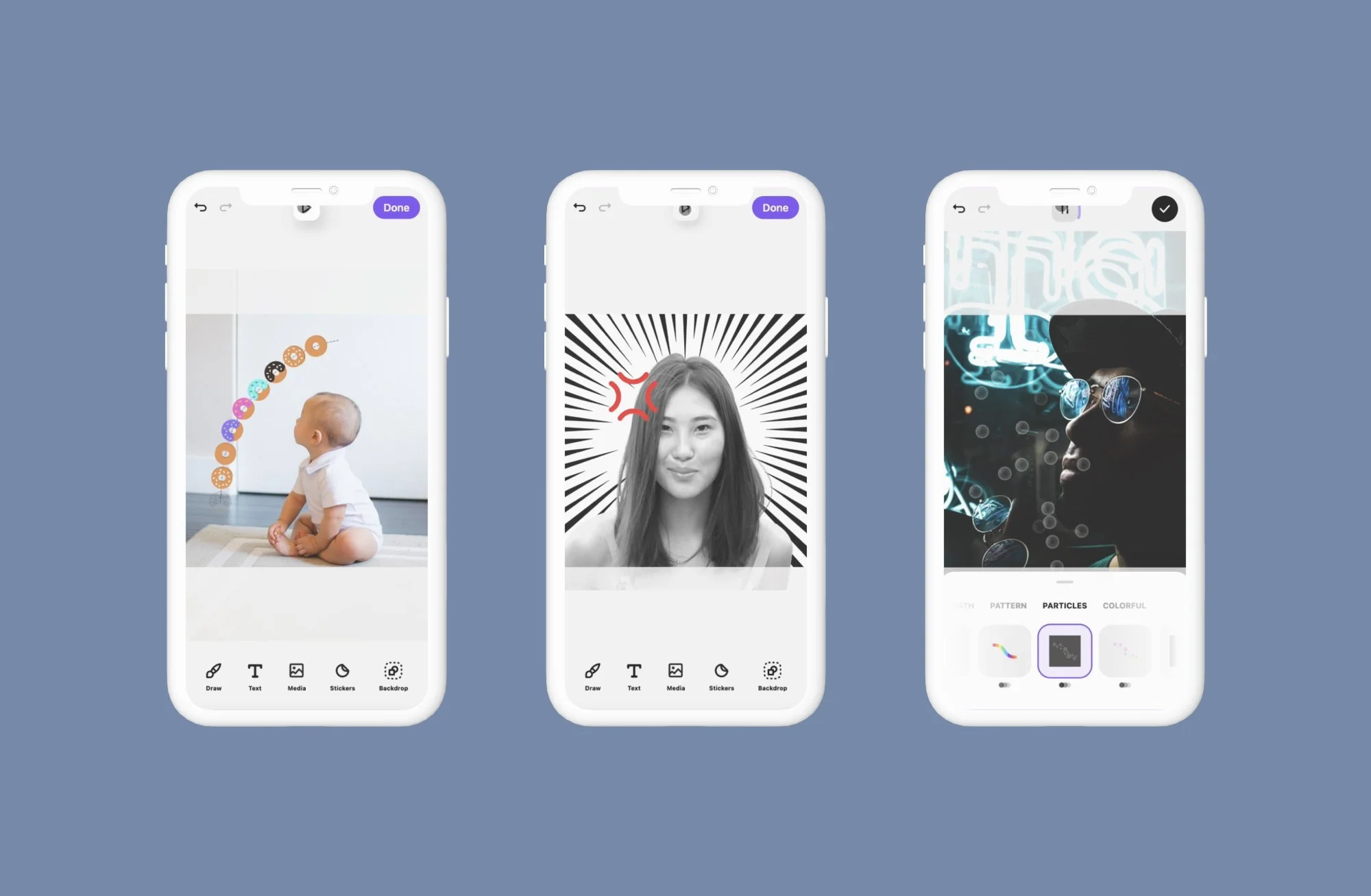
Loop App, Japan/Korea/Taiwan. Creative expression inside a chat app is a different behavior than creative expression inside a design tool. Loop App had to meet Asian consumers where self-expression already happened, inside conversation, not import a Western creative-tool metaphor where it didn't belong.
Adobe Express, India. A mobile-first experience built for India's own languages and visual culture, not a global template with translated strings. What reads as "for me," a font, a color, a layout convention, changes market to market. That's a design decision, not a copy decision.
StubHub, checkout. The instinct in checkout design is to remove friction. Here, friction wasn't the problem, trust was. In markets where standard cards get blocked, a faster flow to a payment method nobody believes in just fails faster. I rebuilt checkout around the rails people actually trust: BNPL, UPI, local wallets.

XD Modular Suite
Loop App
What doesn't change
The costumes change. The mechanics underneath don't.
Sometimes the question runs one way, a brand rooted somewhere unfamiliar trying to earn trust here. Sometimes it runs the other. At Adobe, I built the international design team from scratch and spent four years taking a dominant US product into markets where it wasn't the default choice, culturalizing XD for Asian markets, building partnerships with Alibaba and Tencent. That's the same question in reverse: not how do we seem trustworthy somewhere new, but how do we earn trust from a position of low local credibility. Yokogawa and LegalOn ran inbound. Adobe ran outbound. Scient and Ideas in Digital ran inbound again, across a decade of Japanese companies launching into US and EU markets. StubHub was different still, less a launch than an optimization, refining how an already-global marketplace worked across borders it had already crossed.
Four directions. One discipline: figure out what's actually true, then find the honest version of that truth for an audience that doesn't share your starting assumptions.
There's a second thing that shows up every time, one that has nothing to do with the new market at all. Every company I've done this with had gotten comfortable at home. Yokogawa was quiet and under-marketed outside Japan despite strong products. Adobe, dominant in the US, had to relearn what it looked like to not be the default choice. Market leaders stop questioning what they've stopped needing to question. Going international is a forcing function, it shows a company what it's gone blind to where it already thinks it's won. A disruptor comfortable at home, entering a market full of legacy players who've long since stopped questioning themselves, is the same dynamic from a different seat.
The pattern

| Engagement | The question, in costume | What I built |
|---|---|---|
| Yokogawa Electric | Durable hardware vs. American novelty | Vigilance global campaign, international site, decade of creative direction |
| LegalOn | Legal AI legitimacy vs. AI skepticism | Brand platform, guidelines, global site, early product concept advising |
| Scient / Ideas in Digital | Japanese brands entering Western markets | Launch strategy, UX, and brand work across a decade of inbound engagements |
| Adobe International | US dominance vs. local irrelevance abroad | Built the international design team from scratch; culturalized XD for Asian markets; Alibaba and Tencent partnerships |
| StubHub | Trust across payment rails already crossed | Checkout redesign for BNPL, UPI, and local wallets in markets where standard transactions were blocked |
I'm drawn to the moment a company has to decide what's actually true about itself, and what's just how they've always said it. Twenty years in, the technology keeps changing. The question hasn't.
If that's the problem in front of you, I'd like to hear about it.